








How to Select the Best PC Speakers for Home Offices
Working from home has transformed how we think about our office setups, and audio quality often gets overlooked until you're straining to hear during an important video call or struggling to enjoy music during your breaks. The right speakers can make a world of difference in your daily productivity and enjoyment. Whether you're attending back-to-back Zoom meetings, editing podcasts, or simply want to enjoy crisp audio during your lunch break, selecting the perfect speakers requires careful consideration of several factors.
This comprehensive guide will walk you through everything you need to know to find the best PC speakers that fit your space, budget, and audio needs. We'll cover the essential features to look for, different speaker types, and provide specific recommendations to help you make an informed decision.
Understanding Your Home Office Audio Needs
Before diving into technical specifications, it's crucial to assess how you'll primarily use your speakers. Your audio requirements will vary significantly depending on your work activities.
If you spend most of your day in video conferences, clarity for voice frequencies should be your priority. For creative professionals working with audio or video editing, flat frequency response and accuracy matter most. Meanwhile, if you use background music to maintain focus, you'll want speakers that provide pleasant, non-fatiguing sound over long periods.
Consider your office environment too. Do you work in a shared space where you need to be mindful of others? Is your office in a noisy area where you need speakers powerful enough to overcome ambient sound? These practical considerations will guide your speaker selection more than any technical specification alone.
Key Features to Consider in PC Speakers
Sound Quality and Frequency Response
When evaluating sound quality, look beyond marketing claims about "power" or "bass." What truly matters is balanced audio reproduction across different frequencies. Good speakers should deliver clear highs, present mids, and adequate bass without any one frequency overwhelming the others.
For most home office applications, a frequency response between 60Hz to 20kHz is sufficient, covering the range of human hearing. If you work with bass-heavy content or simply enjoy rich low-end in your music, look for speakers that extend lower, though be aware that truly deep bass typically requires larger drivers or a separate subwoofer.
Connectivity Options
Modern PC speakers offer various connection methods, and your choice should align with your devices and preferences. Traditional 3.5mm aux connections remain universally compatible, while USB connections can provide both audio and power through a single cable. Bluetooth capability offers wireless convenience for connecting smartphones and tablets alongside your computer.
Consider how many devices you need to connect simultaneously. Some speakers feature multiple input options that allow you to switch between sources easily, which is particularly useful if you frequently alternate between your computer and other audio sources.
Power and Wattage
Speaker power, measured in watts, indicates potential volume capability rather than quality. For a typical home office, 10-30 watts per channel is more than adequate. Higher wattage becomes important only if you have a very large space or prefer listening at concert-like volumes, which isn't typically conducive to productive work.
Pay attention to whether wattage ratings are RMS (continuous power) or peak power, as RMS provides a more accurate representation of everyday performance.
Physical Size and Desk Space
Measure your available space before shopping for speakers. Bookshelf speakers offer superior sound but require significant desk real estate. Compact desktop speakers conserve space but may compromise on bass response. Consider speaker stands or wall mounts if desk space is limited.
Also think about cable management. Speakers with rear-facing ports might create clutter, while those with wireless capabilities or forward-facing connections can help maintain a clean workspace.
Types of PC Speaker Systems
2.0 Stereo Systems
These traditional two-speaker setups provide left and right channels for basic stereo separation. They're ideal for smaller offices or situations where space is at a premium. Modern 2.0 systems can deliver surprisingly full sound despite their compact size, making them excellent choices for general computer use, video calls, and casual music listening.
2.1 Systems with Subwoofer
2.1 systems add a separate subwoofer to handle low frequencies, resulting in significantly enhanced bass response. This configuration is perfect if you enjoy music with prominent bass lines, watch movies during breaks, or work with audio content that benefits from full-frequency reproduction. The main trade-off is finding space for the subwoofer, which is typically placed on the floor.
Soundbars for Computers
Computer soundbars offer a space-efficient alternative to traditional speaker pairs. Their elongated design fits perfectly beneath monitors, and many models include built-in USB DACs (digital-to-analog converters) for improved audio quality. While they may not provide the same stereo separation as separate speakers, their convenience and clean aesthetics make them popular for minimalist setups.
Balancing Budget and Quality
PC speakers are available at virtually every price point, from budget options under $50 to premium systems costing several hundred dollars. As with most technology, you'll encounter diminishing returns as prices increase.
For most home office applications, the sweet spot for quality and value lies between 200. In this range, you'll find speakers with better components, more accurate sound reproduction, and additional features like tone controls or multiple inputs.
Remember that your speakers are a long-term investment. Spending slightly more for better quality often provides greater satisfaction over time, especially since you'll be using them for hours every workday.
Our Top Speaker Recommendation
While we've covered what to look for in the best pc speakers, we want to highlight one exceptional option that combines versatility with outstanding performance.
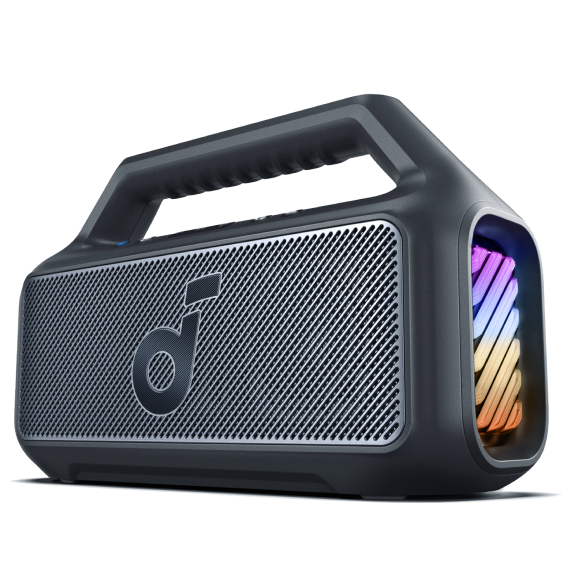
The soundcore Boom 2 Portable Bluetooth Speaker stands out for home offices that value both audio quality and flexibility. Its 80W max output delivers surprisingly powerful sound for its size, with a racetrack subwoofer providing depth and clarity that enhances both music and voice frequencies. The BassUp™ 2.0 technology lets you customize the bass response based on your content and preferences.
What makes the Boom 2 particularly useful for home office environments is its dual functionality. The 2.1 stereo clarity, achieved through a 50W racetrack subwoofer and dual 15W tweeters, creates an immersive audio experience whether you're in meetings or enjoying background music. Meanwhile, its 24-hour battery life and built-in power bank mean you can keep your devices charged during long work sessions.
The IPX7 waterproof rating adds practical durability, ensuring your speaker survives accidental spills—a common hazard in busy workspaces. For those who appreciate customization, the Boom 2 offers a pro EQ to tailor sound to different types of audio content, from voice-heavy podcasts to music across various genres.

Setting Up Your Speakers for Optimal Performance
Proper placement dramatically affects speaker performance. Position your speakers at ear level when seated, forming an equilateral triangle with your listening position. This arrangement provides the best stereo imaging and soundstage.
If possible, place speakers on isolated stands or pads to prevent vibrations from transferring to your desk. This simple step reduces unwanted resonance and improves clarity, especially at higher volumes.
Take time to experiment with positioning. Small adjustments of just a few inches can significantly impact how sound interacts with your room's acoustics. Trust your ears—if something sounds off, try repositioning before adjusting equalizer settings.
Maintaining Your PC Speakers
Regular maintenance ensures your speakers continue performing at their best. Dust speaker grilles gently with a soft brush to prevent buildup that can muffle sound. Keep liquids away from electronic components to avoid damage.
For wired speakers, periodically check connections for corrosion or looseness. Wireless speakers benefit from occasional battery calibration—fully draining and recharging them every few months helps maintain battery health.
Avoid pushing your speakers to maximum volume for extended periods, as this can cause premature wear on drivers and potentially damage your hearing. Most quality speakers sound their best at moderate volume levels where distortion is minimal.
Making Your Final Decision
Selecting the best PC speakers for your home office ultimately comes down to understanding your specific needs, space constraints, and budget. Consider how each feature aligns with your daily work routine and audio preferences.
Remember that the right speakers should enhance your work experience without drawing attention to themselves. The best audio setup is one that sounds natural and comfortable throughout your workday, supporting both your productivity and relaxation.
Whether you choose a traditional 2.0 system, a bass-enhanced 2.1 setup, or a versatile option like the soundcore Boom 2, investing in quality audio will pay dividends in your daily work life. Your ears—and your colleagues on video calls—will thank you for making the effort to find speakers that truly meet your home office needs.


