





How to Sleep on a Plane: Five Comfort Tips for Long-Haul Flights
Flights to and from Australia tend to be long. Add cabin noise, glaring screens and not much room to stretch, and sleep can feel out of reach even when you're running on empty. The five drug-free tips below show how to sleep on a plane, starting with what to sort out before you board and then working through seat choice, neck support, light and sound. Along the way they cover a few accessories that might help you settle.
Why Is It So Hard to Sleep on a Plane?
An upright seat, tight legroom and a head with nothing to lean on make it hard to get comfortable in the first place. Engine hum, bright lights and regular interruptions from service trolleys and announcements keep dragging you back to the surface.
Your body clock gets a vote as well. Departure times and cabin lighting don't always match your usual sleep-wake pattern, and the gap widens once you cross time zones. Even a flight from Sydney to Perth, which takes roughly five hours, lands you at least two hours behind the clock you left. So comfort and timing both deserve a bit of planning.
Pick the discomfort that bothers you most and fix that first, whether it's a head that keeps lolling forward or the glare from the screen next door. The tips below tackle these problems one at a time.
Five Ways to Sleep on a Plane, Even in Economy

Economy doesn't have to mean no sleep. Work with the room and support your seat gives you, and the five tips here will take you from preparation before the flight through to practical sleep gadgets that could make resting a little easier.
Tip 1: Choose Your Seat and Posture With Care
There's no single best way to sleep on a plane. It depends on what suits you, so begin with the seat itself.
- Think about a window seat. You get a wall to lean your head against, and your neighbours don't have to step over you on the way to the aisle.
- Weigh up the middle seat. Armrests are shared and there's nothing beside you to lean on, so settling into a comfortable position can take more effort.
- Check the seat map before you book. Compare the recline and headrest support on offer in the seats you're considering.
- Use a slight recline when it's allowed. Keep your feet comfortably supported, follow crew instructions and leave your foot space and the aisle clear. Only use a footrest if the airline permits it.
Tip 2: Give Your Neck and Head Some Support
A travel pillow takes some of the load off your neck while you drift off. Pick one that feels good without tipping your head forward or twisting your neck into an awkward angle.
In a window seat, try the pillow between your head and the wall or headrest. Adjust it as you go, because the aim is simply to keep strain off your neck.
Tip 3: Block Out the Light
A sleep mask is the easiest way to shut out stray light from cabin lamps, overhead reading lights and the windows around you. Look for one that sits comfortably on your face and stops light leaking in without pressing on your eyes.
Got the window seat? Lower the blind when you're allowed to. Turn your own screen brightness right down, and resist the urge to scroll on your mobile once you're trying to rest. Each small change makes the cabin that bit darker for flight sleep.
Tip 4: Use Sound to Help Your Mind Settle
Engine drone is tiring, particularly over a long haul. You can go one of two ways: cut the noise down with noise-blocking earplugs, or soften what's left with a steady background sound. Foam earplugs take the edge off ambient noise, and steady sounds like white noise can cover up whatever gets through. Curious how noise affects sleep? Our guide on whether white noise helps you sleep goes deeper.

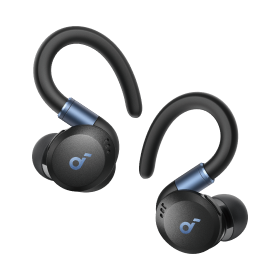
Prefer calming sounds, music or other audio as you wind down? Sleep earbuds are worth a look. They tend to be lighter and softer than everyday headphones, and the slim shape can be easier to live with when your head is resting against the seat.
The soundcore Sleep Earbuds 4 Pro and Sleep Earbuds 4 are built around sleep, with a design aimed at side sleepers' comfort. Inside the soundcore app you'll find sleep sounds and meditation audio, and that library is included with purchase, so there's no monthly subscription. The 4 Pro adds BioSync adaptive audio and an AMOLED touchscreen charging case — features the standard 4 doesn't have. Keep in mind that these are descriptions of what the earbuds are designed for. They don't show how well they perform inside an aircraft cabin.
Tip 5: Get Your Body Ready Before the Flight
Better sleep in the air begins on the ground. Decide how to sleep on a flight before you even board: pick the stretch of the trip when you'd like to be asleep, then work backwards.
Skip caffeine in the hours before that window, because it keeps you alert. A drink might make you drowsy at first, but alcohol tends to fragment sleep later on, so go easy. Dress in loose, breathable layers, and keep a light jumper in your cabin baggage for when the temperature changes.
If your trip crosses time zones, well-timed light can help shift your body clock. What counts as well-timed depends on your itinerary, so work it out before you leave rather than leaving it to chance once you're on board.
Should You Take Something to Help You Sleep on a Flight?
Melatonin, magnesium and sedating antihistamines are three quite different options, each with its own evidence and risks. Melatonin may ease jet lag. In the United States it is sold as a dietary supplement and regulated less strictly than prescription or over-the-counter medicines, and studies have found that some labels don't match what's in the container. Australia handles it differently: most adults need a prescription, while people aged 55 and over can buy a slow-release form over the counter. The Therapeutic Goods Administration (TGA) has also warned about counterfeit melatonin products imported from overseas, which is a good reason to be wary of overseas online sellers.
Magnesium has limited and mixed research behind it for insomnia, and that doesn't make it a dependable way to nod off on a flight.
Diphenhydramine is a sedating antihistamine that can make you drowsy, and a drink on top can make that worse. Don't drive until you know how it affects you. Before taking any medicine or supplement for travel, check with your GP or pharmacist, especially if you're on other medication. This guide doesn't cover doses.
Key Takeaways
- Seat and sitting position come first. A window seat, a slight recline where permitted and clear foot space all help you settle.
- Give your head and neck support. A travel pillow should fit comfortably, without tipping your head forward or straining your neck.
- Deal with light and noise. A sleep mask, earplugs or steady background sound can cut down the usual cabin distractions.
- Prepare before you board: skip caffeine near your planned sleep, keep alcohol low, wear comfortable layers and plan for time-zone changes.
- Be careful with sleep aids. Medicines and supplements carry different risks, so talk to a healthcare professional, such as your GP or pharmacist, first.
FAQs
How can I sleep on a plane when I'm completely exhausted but still wide awake?
Tiredness doesn't switch off the discomfort, noise, glare and interruptions of a cabin. If the flight also runs at odds with your usual sleep schedule, you can end up both tired and unable to nod off.
Is it safe to use a sleep aid before flying?
Check with your GP or pharmacist first. They can tell you whether a particular medicine or supplement suits your health history, anything else you take, and your travel plans. Use it only if they say it's suitable, and stick to their advice. A trial run at home doesn't prove it's safe in the air.
If you'd like to talk it through with a nurse first, healthdirect's 24-hour helpline on 1800 022 222 can connect you with one.
How do you sleep on a plane when the seat barely reclines?
Work with a small recline if the crew allows it, support your head and neck, and keep your feet in a position that doesn't strain your legs. A window seat gives you something to lean on, though the best position is whichever one you can hold comfortably while following crew instructions.
Which travel gear is worth packing for sleeping on a plane?
A supportive travel pillow and a well-fitting eye mask are good starting points. Earplugs or sleep earbuds can round things out, depending on whether you want noise reduction or audio. Compare fit and the features of specific models before deciding what goes into your cabin baggage.
Disclaimer: This article is for general informational purposes only and is not a substitute for professional medical advice. Consult a qualified healthcare professional before using any medication or supplement for sleep. Sleep earbuds are not medical devices and are not intended to diagnose or treat sleep disorders. Individual experiences may vary.