





Gadgets for Sleeping: Eight Sleep Aids and Hacks Worth Trying
Why does sleep feel so far away when all you want is to switch off? Maybe it's street noise, a bright bedroom, a stuffy room on a warm night, a head full of thoughts, or a morning routine that never quite sticks. Even minor interruptions can make it harder to nod off or stay asleep.
Good gadgets for sleeping each target one specific issue, which means the best choice depends on what keeps you awake. A longer feature list won't improve your nights if it doesn't touch the thing that's actually wrong.
Below are eight sleep gadgets and hacks that earn a closer look. Nothing here guarantees a better night or cures insomnia, though a few ideas can make your bedroom and your evenings more sleep-friendly.
What to Check Before Spending Money on Sleep Gadgets

It pays to know what these devices can and can't do before you spend anything.
Home sleep trackers, for example, can give a rough idea of how long you slept and the general shape of your night. Measuring sleep stages accurately, or spotting a sleep disorder, is far harder outside a clinic.
Be wary when a product claims guaranteed deep sleep, overnight recovery or an insomnia cure. Useful patterns may show up in consumer sleep technology, but a proper diagnosis or treatment is a job for a clinician.
Free fixes come first. Regular hours, a dark and quiet room, a pleasant temperature and some restraint with caffeine and screens are still the base of good sleep hygiene. If you're still struggling afterwards, you'll have a better sense of what's keeping you awake and which sleep aid devices might help.
What you pay at the till isn't the whole cost. These questions can save you from buying an expensive bedside ornament:
- Will you pay a subscription to unlock the sound library or full reports?
- Will it last all night without a recharge?
- Might it bother a partner?
- Can you lie the way you normally do while wearing or using it?
- Which health or sleep details does it record about you?
- Does the seller offer a reasonable trial or return window?
- Will you use it enough to justify what it costs?
Ongoing insomnia, gasping or choking at night, pauses in breathing that someone has noticed, or heavy sleepiness in the daytime are reasons to see your GP rather than buy another gadget.
Eight Gadgets for Sleeping and What Each One Does
Every item below tackles a different problem. Products that manage noise, light or heat have a clear job, whereas relaxation and tracking features work differently from person to person.
1. Earbuds Made for Sleeping

✅ Best for: Traffic, noise around the house, a snoring partner, private audio at night and side sleepers.
Compared with ordinary earbuds, the ones designed for sleep are slimmer and sit closer to the ear, so less of the earbud pushes into the pillow. Depending on the model, they combine physical isolation, noise reduction designed for sleep and calming audio to make sounds at night less obvious. Snoring can be masked this way, but the earbuds don't stop it or address why it happens. If you'd like the mechanics, an earlier post explains how sleep earbuds work.
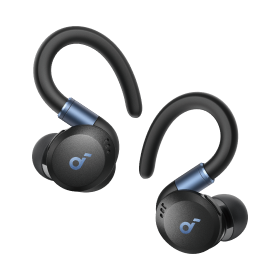
The Anker soundcore sleep earbuds are built to cut night-time noise and stay comfortable for side sleepers. You get a private alarm inside the ear, a hand-picked audio library with no monthly fee, and a smart case that listens for snoring and cues the earbuds to play adaptive masking sound.
The newer soundcore Sleep 4 Pro adds heart rate and HRV readings based on PPG, estimated sleep stages, trends over the night and personalised insights. It also brings BioSync™ adaptive audio and a touchscreen case so you can control things without your mobile. Keep in mind that BioSync is experimental and wellness-focused, and the earbuds can't be used to diagnose anything.
Before you buy, think about fit, battery life, ear-tip choices, how the alarm is controlled, and whether you're happy wearing earbuds for hours overnight.
2. Sound Machines and White Noise Makers

✅ Best for: Uneven background noise, winding down, people who don't like earbuds, and sound that fills the room.
A sound machine builds a steadier layer of sound so that sudden noises, such as a door, voices or a car going past, stand out less. Choices include white noise, pink noise, nature recordings and music.
The soundcore SleepLab Pro fills the room with sound, adds amber light and leads you through guided breathing for a calmer evening. On top of that come audio that adapts, sleep sensing without contact, a read on the bedroom, hands-free controls and sleep reports that carry no subscription.
Those reports estimate sleep stages and chart trends in breathing, heart rate, snoring, light, sound and temperature. Reports like these help you notice trends. They are not a clinical assessment, and they don't show that the device treats insomnia or deepens sleep.
The SleepLab Pro suits people who would rather not wear earbuds, although sound that fills the room may not work for everyone who shares it.
3. Wake-Up Lights (Sunrise Alarms)
✅ Best for: Hard mornings, dark winter wake-ups, shift work, and rebuilding a morning routine after travel.
A wake-up light grows brighter gradually ahead of your alarm time, a gentler start than an abrupt beep. Light and dark are among the main cues for the body's sleep-wake cycle. With regular use, morning light can help anchor a more predictable routine and take the shock out of waking.
In the cooler southern states, winter mornings can still be dark when the alarm goes off, which is where a gradual light helps most. In summer the opposite problem arrives, with the sun up very early, so pair a sunrise clock with good blackout curtains if you want to sleep a little longer.
Useful features include brightness you can adjust, a rise time you can set, a dimmable display at night, weekday scheduling and a sound alarm as backup. Such a light can smooth the way through a change of routine, but it won't resolve jet lag or shift-work sleep trouble by itself, since timing and consistency still matter.
Night-shift workers usually need a wider routine that covers sleep times, light, meals and caffeine.
4. Heavy Blankets (Weighted Blankets)
✅ Best for: People who find even pressure soothing, or who have trouble settling before bed.
A weighted blanket spreads gentle pressure across your body, known as deep-pressure stimulation, and some people find it calming. A small body of research suggests it might ease anxiety or improve how well people feel they sleep, but proof of objective sleep benefits is still lacking.
A blanket being the heaviest doesn't make it the right sleep aid. Check how breathable it is, how the filling is spread, whether it's washable, the size of your bed, and how easily you can shift or take it off.
It can also feel hot or confining, which matters on a warm Australian night. If you have concerns about breathing, mobility, circulation or regulating your temperature, talk to your GP first, particularly if getting it off by yourself might be hard.
5. Sleep Masks and Blockout Curtains

✅ Best for: Light-sensitive sleepers, early sun, bright city bedrooms and daytime sleep.
Light and dark help set your body clock, so an eye mask or blackout curtains are cheap and simple ways to improve the room. A mask travels with you and covers just your eyes, whereas curtains darken the whole space.
When choosing a mask, look at fit, breathability, the strap, pressure on your eyes and light leaking in around the nose. With curtains, the fabric matters less than measuring properly and covering the edges.
Both deal with light only, not noise, heat or breathing trouble. If stray light is your main complaint, a snug mask or properly fitted blackout curtains can beat a pricey smart device.
6. Cooling Mattress Toppers
✅ Best for: Anyone who surfaces overheated at night, or whose mattress traps warmth.
Cooling pads run from breathable passive layers to powered systems that circulate temperature-controlled water. Powered ones target temperature more precisely than cooling the whole room, which helps when partners like different temperatures. Costs climb quickly here, so make sure heat is truly what's waking you before paying for one. That's a real question through an Australian summer, when warm nights are common.
Compare these points before buying:
- Noise while running
- How wide the temperature range is, and whether each side of the bed can be set separately
- Upkeep and power use
- How the mattress feels, and protection against leaks
- What the warranty covers and how long the trial runs
Try the inexpensive options first, such as lighter bedding, breathable sheets, a fan or a cooler bedroom. Should the hot wake-ups stop, a powered topper probably isn't worth the extra money.
7. Sleep Tracking Devices

✅ Best for: Watching how your nights change over weeks, testing one routine against another, and checking whether habits or the state of your bedroom show up in your sleep.
Rings, watches, earbuds and bedside sensors estimate how long you slept and in which stages, using movement, heart rate and breathing. Measuring sleep is a different thing from improving it.
Your sleep tracking device could reveal frequent wake-ups, though a score alone can't say why they happen or prevent them. Consumer estimates of sleep stages also differ from what a clinical sleep study would find.
If data alone isn't enough, some sleep aid devices pair tracking with practical tools. The soundcore Sleep Earbuds A30 combine sensing inside the ear with adaptive audio, while the SleepLab Pro senses you without contact and adds room audio, breathing guidance, soft lighting and a read on the bedroom environment.
When comparing trackers, weigh up:
- Plain explanations rather than scores with no context
- Trends you can link to changes you can make
- Comfort and battery life
- Privacy and control over your data
- Whether any ongoing fee applies
- Whether you can export or delete your data
Don't let a nightly score turn into one more worry. You don't need a perfect graph to sleep well.
8. Scented Sleep Sprays
✅ Best for: Building a bedtime cue around a familiar scent.
A pillow or room spray can fit into an evening routine and help you link one scent with going to bed. Think of it as a relaxation ritual rather than treatment for insomnia. Evidence that it reliably improves sleep is thin, and reactions to fragrance vary a lot.
Read the ingredients, check how strong the scent is, follow the fabric instructions and look out for allergens. "Natural" on the label doesn't guarantee a scent suits every person, pet or fabric.
If you have asthma, migraines, allergies or sensitivity to fragrance, you may prefer to skip scented sleep products. Where kids or animals sleep in the same room, check that the ingredients are appropriate for them.
Pairing the Right Sleep Aid With Your Problem
Start with whatever disturbs your sleep most often, then pick the simplest product built for it. The table sets out what each category is meant for and where it falls short.
| Product | Noisy room | Bright room | Overheating | Winding down | Data | Waking up |
| Earbuds made for sleeping | Main use | None | None | Some | In part | In part |
| Sound machine | Main use | None | None | Main use | In part | In part |
| Wake-up light | None | None | None | In part | None | Main use |
| Heavy blanket | None | None | None | Main use | None | None |
| Mask or blockout curtains | None | Main use | None | Some | None | Can hold back dawn light |
| Cooling topper | None | None | Main use | Some | In part | None |
| Tracking device | None | None | None | None | Main use | In part |
| Scented spray | None | None | None | Some | None | None |
*"Main use" is what a category is mainly for, while "Some" and "In part" describe a secondary or situational benefit. A product marked for night-time waking may help with one trigger, such as noise, light or heat, but it can't prevent every wake-up.
To shortlist your sleep hacks quickly, use this:
- A partner who snores: reach for sleep earbuds. The noise may fade into the background for you, yet the snoring carries on.
- Wearing anything in bed puts you off: a bedside sound machine suits better, or a contactless sleep sensor if you want data too.
- Thoughts won't slow down at night: guided audio, paced breathing or a steady wind-down routine, played through sleep earbuds or a sound machine, are worth a go. A weighted blanket might also soothe some people.
- Dawn light pulls you out of sleep early: begin with a well-fitting sleep mask or blockout curtains.
- You keep waking up hot: try breathable bedding, lighter sleepwear or a different room temperature before spending on an active cooling system.
- Getting up is the hard part: a sunrise alarm may help most.
- You're curious about your own patterns: choose a sleep tracker with readable trends, and settle in advance on what you'll do with what it shows.
- You want to cut back on sleeping tablets: speak to your GP or pharmacist first. Gadgets can address something in the environment, but they aren't a plan for coming off medication.
Key Takeaways
- The right gadgets for sleeping depend on the problem you're trying to fix.
- Begin with the free basics: regular hours and a bedroom that is quiet, dark, comfortable and suitably cool.
- Earbuds built for sleep offer noise control that only you hear, plus snore masking and audio of your choice.
- Sound machines suit people who want sound for the whole room without wearing anything.
- When light or noise is the main issue, blackout products and simple sound machines can beat costly tech on value.
- A tracker offers an educated guess at your patterns. Neither can they identify a medical condition, and none will lift your sleep on its own.
- A tracker that also comes with practical features is more helpful when those features match what is causing your trouble.
- Weigh up comfort, ongoing fees, data privacy, upkeep, what the warranty covers and how returns work.
- Buying a gadget is no reason to drop a medicine or ignore possible signs of a sleep disorder.
FAQs
Which sleep gadget works best?
There's no universal winner among these devices. Earbuds help with your own noise problem or a partner's snoring, blockout products deal with light, cooling toppers go after heat and wake-up lights soften the start of the day.
A simple product that fixes your main problem can be more useful than a tracker that does everything.
What's the best sleep gadget for a snoring partner?
Slim sleep earbuds or a sound machine may make snoring less noticeable. Neither will stop it or deal with the cause.
Loud snoring with gasping, choking, breathing pauses someone has seen, morning headaches or heavy daytime sleepiness should go to your GP, who can arrange a sleep study if needed.
Does sleep technology actually work?
Some devices do a clear, practical job, such as keeping out light, masking sound, managing temperature or giving a timed light cue in the morning. None of that shows that every device improves insomnia, sleep stages or how well you sleep over the long run.
Relaxation and tracking features give more mixed results. Stay sceptical of any product that promises guaranteed deep sleep, medical-grade insight or treatment without solid evidence behind it.
Is it a bad idea to take something to help you sleep every night?
That depends on what you take. Prescription sleeping tablets, over-the-counter antihistamines, melatonin and other supplements all carry different benefits and risks. The TGA warns that certain prescription insomnia medicines can cause serious side effects, including complex sleep-related behaviours. Don't stop, cut back or change a medicine because you bought a sleep device. Speak to your GP or pharmacist first.
Could a sleep gadget take the place of melatonin?
Not directly. In Australia most adults need a prescription for melatonin. People aged 55 and over can buy a slow-release form over the counter, and adults 18 and over can buy a short-acting form without a prescription for jet lag. Melatonin tells the body it's night and helps time sleep, whereas a gadget normally alters the bedroom, gives a relaxation cue or logs patterns, so each has its own purpose. Using melatonin briefly looks safe for most people, though what we know about its long-term safety is limited. Check with your GP or pharmacist before using it regularly or changing how you take it, particularly alongside other medicines.
Disclaimer: This guide is for general information only and isn't a substitute for medical advice. Sleep gadgets discussed here—including products made by Anker/soundcore, the publisher of this guide—are wellness devices, not medical tools, and shouldn't be used to diagnose or treat sleep disorders. Talk to a healthcare provider about persistent sleep problems or before changing your routine or medication.