








TWS vs Bluetooth: What Is the Difference? A Practical Guide for 2026
Wireless headphones and earbuds are now the default choice for music, calls and everyday listening. You probably use them on your commute, at home or while walking through town.
At the same time, terms such as Bluetooth and TWS can still feel unclear. This guide explains the difference between TWS and Bluetooth in a simple, practical way, so you can choose what genuinely suits your routine.
What Is Bluetooth Audio Technology?
Bluetooth is a wireless audio technology that allows devices to communicate without cables. Your phone, laptop or tablet sends sound to your headphones using short-range radio signals.
In everyday use, it is everywhere. Most devices support it by default, and you usually do not think about it until something disconnects. Typical range is around 10 to 30 metres, although walls and crowded networks can shorten it.
You will find Bluetooth technology in several kinds of headphones:
- Neckband models that rest around your neck
- Wireless over-ear headphones for home or office use
- Earbuds connected by a short cable between the two sides
Here is the important point: Bluetooth is not a headphone type. It is only the method of connection. That is where much of the confusion around Bluetooth earbuds begins.
What Is TWS? A True Wireless Explanation
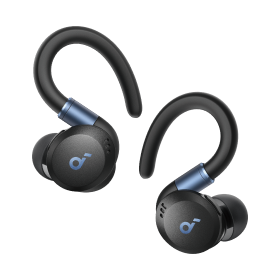
TWS stands for True Wireless Stereo. In simple terms, it refers to earbuds with no wires at all — not between the earbuds and not between the earbuds and your device.
Each earbud works independently, but the two still play audio together in sync. True wireless earbuds still use Bluetooth — they just do so without any physical connection.
Most TWS earbuds include:
- A small charging case that keeps them powered and protected
- Automatic pairing when you open the case
- The option to use one earbud on its own
If you are asking, “What does true wireless mean?”, think of compact cordless earbuds that you simply take out and use.
How Does TWS Work?
If you are wondering how TWS works, the process is actually quite straightforward.
Your phone connects first to one earbud, usually the right one. That earbud then shares the audio with the second earbud so both sides stay in sync.
After the first setup, pairing becomes almost invisible. You open the case and they reconnect automatically. No extra menus and no repeated setup.
Modern chipsets help keep everything stable. They reduce latency, cut down on dropouts and process audio more efficiently. You may also hear about codecs. In simple terms, codecs control how audio is delivered, and better codecs usually mean cleaner sound.
That is TWS in everyday language.
TWS vs Bluetooth: The Core Difference
The difference between TWS and Bluetooth becomes much clearer when you compare how they are used in real life.
Feature |
Traditional Bluetooth headphones |
TWS earbuds |
Cable between the earbuds |
Yes |
No |
Portability |
Larger or cable-based |
Pocket-sized |
Charging |
One cable |
Charging case |
Battery life |
Longer on a single charge |
Shorter per charge, extended by the case |
Ease of use |
May require manual pairing |
Automatic pairing |
Stability |
Generally stable |
Improved in newer versions |
Typical use cases |
Work, long sessions |
Commuting, everyday listening |
Bluetooth describes how devices connect.TWS describes how the earbuds are designed and how you use them.
Why Bluetooth Versions Matter More Than You Think
Bluetooth technology matters more than many people realise. It affects connection stability, battery life and how smoothly audio stays synchronised.
Bluetooth 5.0 already improved reliability. Version 5.2 made communication between devices more efficient. Newer versions, especially Bluetooth 5.3 earbuds, take that further in small but noticeable ways.
With Bluetooth 5.3, you are more likely to notice:
- More stable connections in busy places such as trains or residential buildings
- Better battery efficiency throughout the day
- Less interference when many devices are nearby
- Smoother syncing between the left and right earbud
You may not notice it at first glance, but you do feel it in everyday use.
Are True Wireless Earbuds Always Better?
True wireless earbuds are often the default choice now, but they are not perfect for everyone.
Advantages:
- Easy to carry and usually small enough for a pocket or coat
- No cables getting in the way when you move around
- Quick to use thanks to automatic pairing
Drawbacks:
- Easier to lose because they are so small
- Smaller batteries in each earbud
- Often more expensive than simpler alternatives
It really depends on how you plan to use them. For short, frequent listening sessions, they work brilliantly. For long, uninterrupted sessions, you may notice the difference.
How to Choose Between TWS and Bluetooth Headphones
When deciding between TWS and other Bluetooth headphones, it helps to think about your daily routine rather than only looking at features on a spec sheet.
Consider:
- How you use headphones throughout the day, such as commuting or working
- Whether you prefer long sessions or shorter, frequent use
- Comfort and the way earbuds or headphones fit
- Bluetooth version for long-term reliability
- Compatibility with your phone, laptop or tablet
For most people, choosing Bluetooth 5.3 earbuds is a safe option. It keeps things reliable without feeling outdated too quickly.
Recommended TWS Models for Everyday Use
soundcore Liberty 4 NC
If you deal with noisy commutes or crowded environments, this model focuses on connection stability and noise reduction. It uses Bluetooth 5.3 to stay steady even in busy surroundings.
Key features:
- Adaptive ANC 2.0 that adjusts to your surroundings in real time
- Up to 98.5% noise reduction for trains, buses or offices
- Battery life of 10 hours, or 50 hours with the charging case
It is a practical choice if background noise and unstable connections are your main concerns.
soundcore Liberty 5
This model is designed for a day that keeps changing. Whether you are indoors, outdoors or on the move, it adjusts automatically.
Key features:
- Adaptive ANC 3.0 that updates in real time
- Six-microphone AI system for clearer calls in noisy places
- LDAC and Dolby Audio support for more detailed sound
- Battery life of 12 hours, or 48 hours with fast charging support
It suits you well if your day is unpredictable and your surroundings change constantly.
soundcore Liberty 4 Pro
If you want something more consistent across different situations, this model focuses on control and sound quality.
Key features:
- Seven-sensor noise reduction system for precise adjustments
- Real-time adaptation every 0.3 seconds
- Fast charging where 5 minutes gives up to 4 hours of playback
It is a good option if you rely on earbuds throughout the day and do not want to worry about performance.
Conclusion
Understanding TWS vs Bluetooth makes it easier to see what you are really choosing. One refers to the connection, the other to the design and day-to-day experience.
If you want to explore more options, you can browse the full range on the soundcore website.
FAQs
1. Is TWS the same as Bluetooth?
No. TWS refers to the earbud design, while Bluetooth refers to the wireless connection.
2. What is the difference between TWS and regular earbuds?
TWS earbuds are completely wireless. Traditional earbuds may still include cables.
3. What is TWS used for?
It is used for everyday listening, calls and music without cables.
4. How do you use TWS mode?
Pair once, then simply open the case. The earbuds reconnect automatically.
5. Are TWS earbuds safe for your ears?
Yes, as long as they fit properly and you keep the volume at a safe level.


